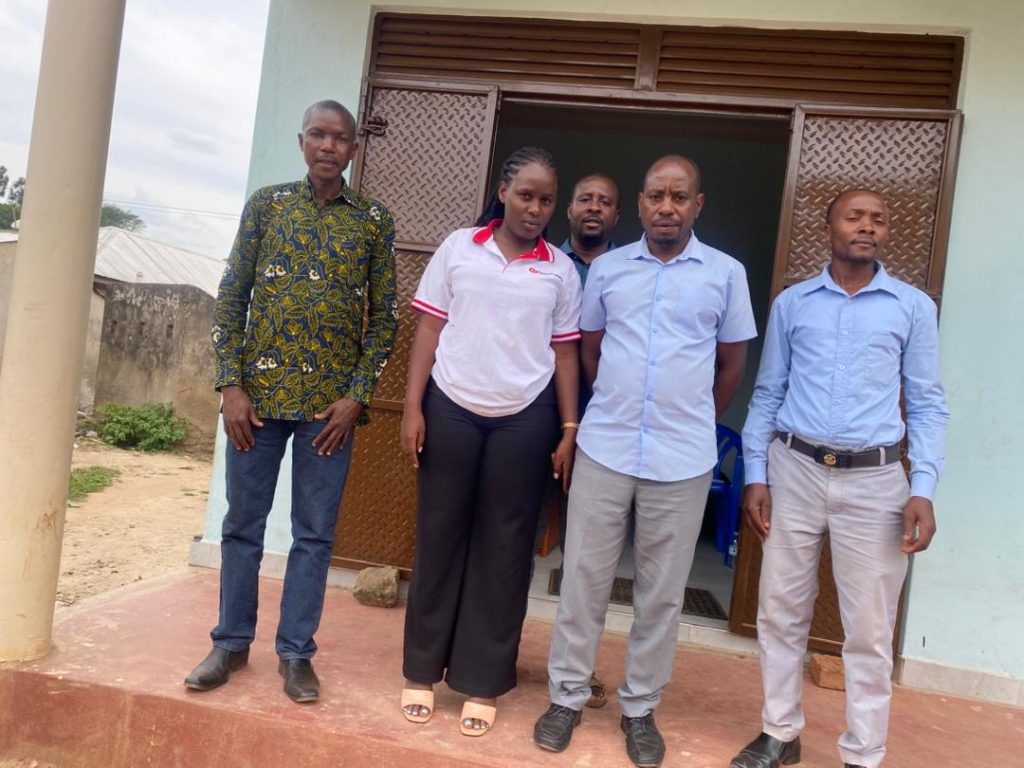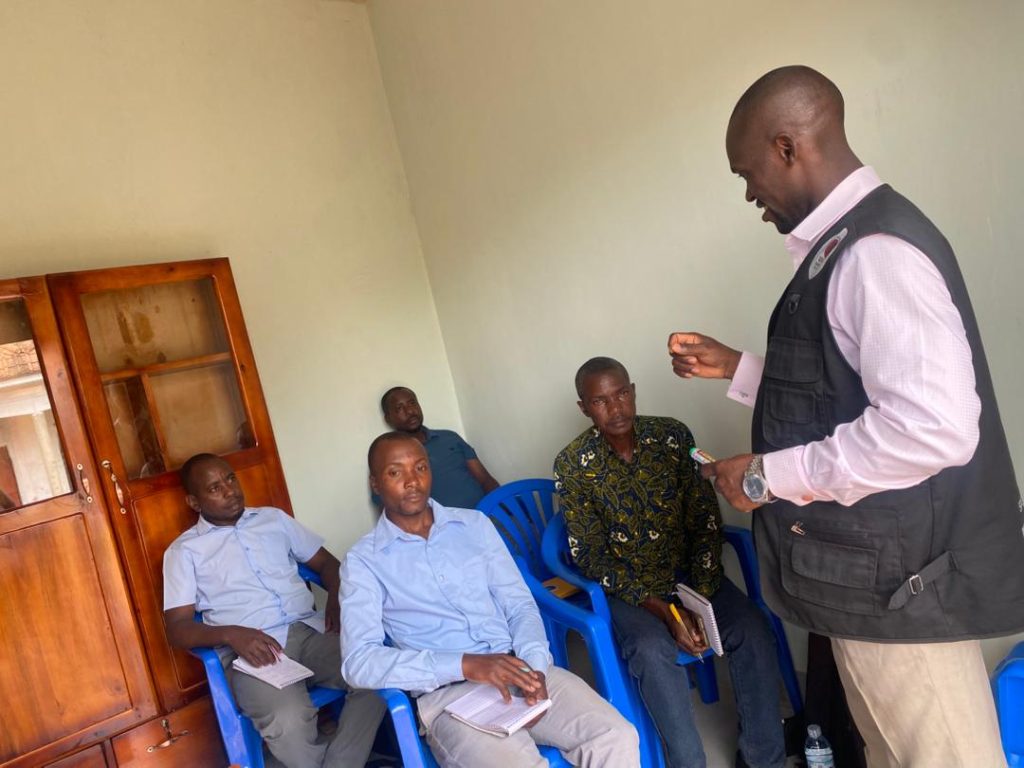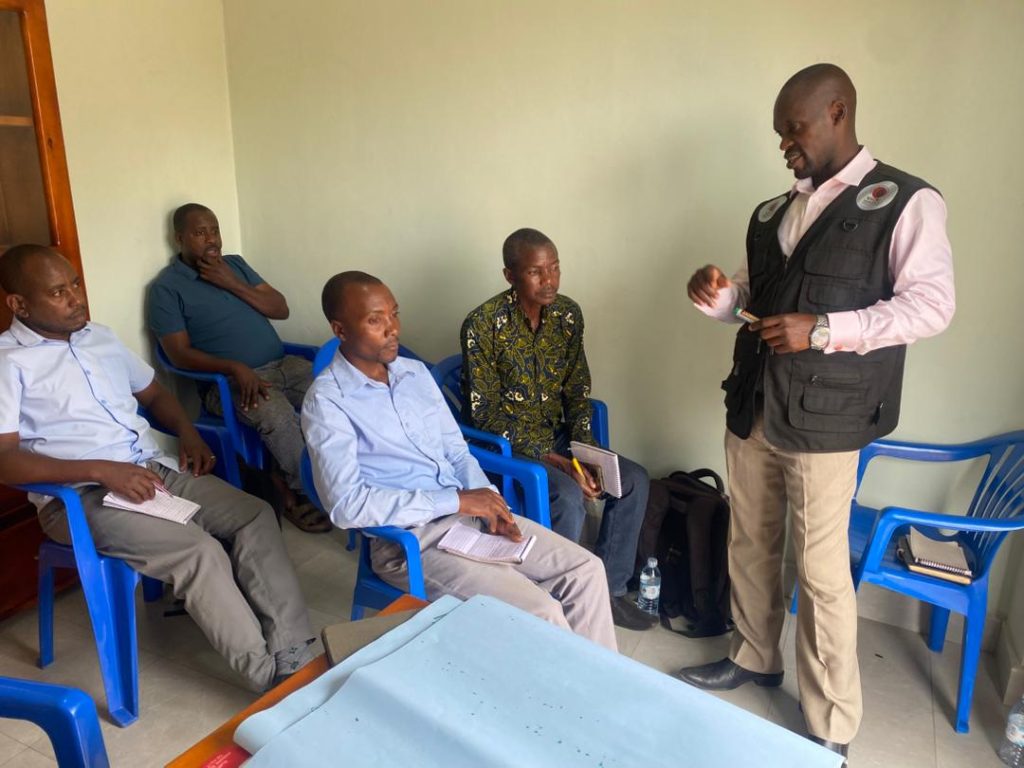

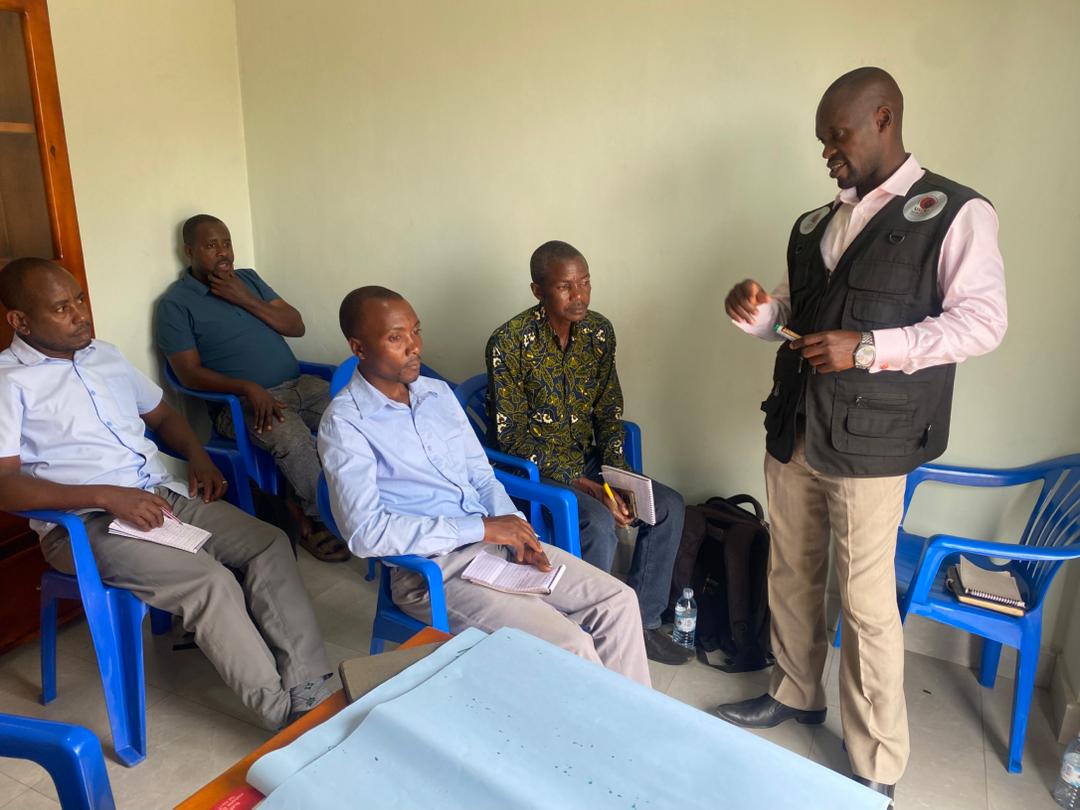
As part of our ongoing commitment to improving community health outcomes and strengthening grassroots health systems, the Program Manager of Byamukama Foundation, with support from the Executive Director, conducted a capacity-building training for four Village Health Team (VHT) members who will lead upcoming community sensitization activities.
The training was organized to equip the VHTs with the knowledge, confidence, and practical community engagement skills necessary to effectively carry out health education and awareness campaigns within their respective communities.
Building Knowledge for Better Health Outcomes
The session focused on enhancing the VHTs’ understanding of key community health issues and their role as frontline health educators. Participants were equipped with accurate information and communication techniques that will enable them to effectively sensitize households and community members on health-related matters, encourage positive health-seeking behavior, and support disease prevention efforts.
Strengthening Confidence and Leadership
Recognizing that effective community mobilization requires strong interpersonal skills, the training also emphasized confidence building, public speaking, and leadership development. Through interactive discussions and practical exercises, the VHTs gained greater confidence in engaging community members, facilitating health discussions, and addressing common misconceptions surrounding health issues.
Promoting Effective Community Engagement
A key component of the training was the introduction of community-centered approaches to sensitization. Participants explored strategies for building trust, encouraging community participation, and delivering health messages in a respectful, culturally sensitive, and impactful manner.
As an organization committed to health awareness, disease prevention, and community empowerment, Byamukama Foundation recognizes the critical role Village Health Teams play in bridging the gap between healthcare services and communities. By investing in the capacity of VHTs, we are strengthening local structures that support health promotion, early intervention, and improved community well-being. We commend the dedication of the trained VHTs and look forward to their contribution in reaching households with life-saving health information and empowering communities to make informed decisions about their health.